Why do I use Linux?
Apple and Microsoft have giant monopolies in the global market for operating systems. On one hand we have Apple’s macOS which boasts a fluid user experience, designed for productivity, and on the other hand we have Microsoft’s Windows which brags its vast support of applications and (pseudo) customizability.
Linux, however, speaks for itself. An open source operating system with thousands of developers having contributed to its development, Linux gives both Apple and Windows a run for their money. Literally.

What is Linux?
Linux is a free and open source operating system (it’s a kernel actually, but for the scope of this discussion, we can consider it to be an operating system as a whole).
Unlike Windows or macOS, Linux does not have a direct commercial value attached to it, since it is not sold for profit.
Why should you go for Linux over other popular options?
-
Linux is lightweight.
The kernel uses less resources which means there are more resources available for your applications and processes to utilize.
Doing a simple ‘Linux revive’ search on Google lists multiple instances where people have installed Linux on their old, slowing systems, only to find out that they run perfectly when using Linux, because unlike other OS’s, Linux updates do not clog your software. They’re NOT intended to make your devices outdated in an attempt to make you buy a new one.
-
It is a highly secure environment.
There are thousands of people looking at Linux code every day. Thousands of people contributing to the Linux code every day. Vulnerabilities are quickly spotted and patched. There’s also the added benefit of not using an operating system which is so popular that there are tons of viruses and malwares designed to target it.
-
Customizability
Linux is customizable in ways you can’t imagine. It comes with crazy control over your operating system and options to tweak anything and everything. If it’s on your screen, you can change it. From automating tasks, customizing keyboard shortcuts to window decorations, titlebars, taskbars, docks, icons, fonts, and the list goes on. You can even change how your OS works under the hood with Linux, without having to download or install heavy third party applications which ending up bloating your system.
-
Ease of installing applications
To install new applications on Windows/macOS, you need to -- Visit the software website
- Find the download link and download
- Run the installer and go through the tedious process of selecting ’next’ at every step.
- Restart your system to run the application properly.
However in Linux, installing a new application is as easy as running one line of command on your terminal.
sudo apt install <package name>provide your password, and you’re done.
-
Support for development
Linux comes with massive support for development right out-of-the-box. It comes with many pre-installed packages, which you would have to individually install as applications on other operating systems. Even for the languages not installed, just one command, a few seconds, and you’re ready to go.
Linux provides you more freedom than other OS’s does to select an environment that works for you. As with other operating systems, “Linux” isn’t truly a single operating system; instead, each person’s Linux environment functions differently based on personal preferences. Linux thus feels more comfortable to you. Since it was more specifically created by and for you than another OS ever was.
-
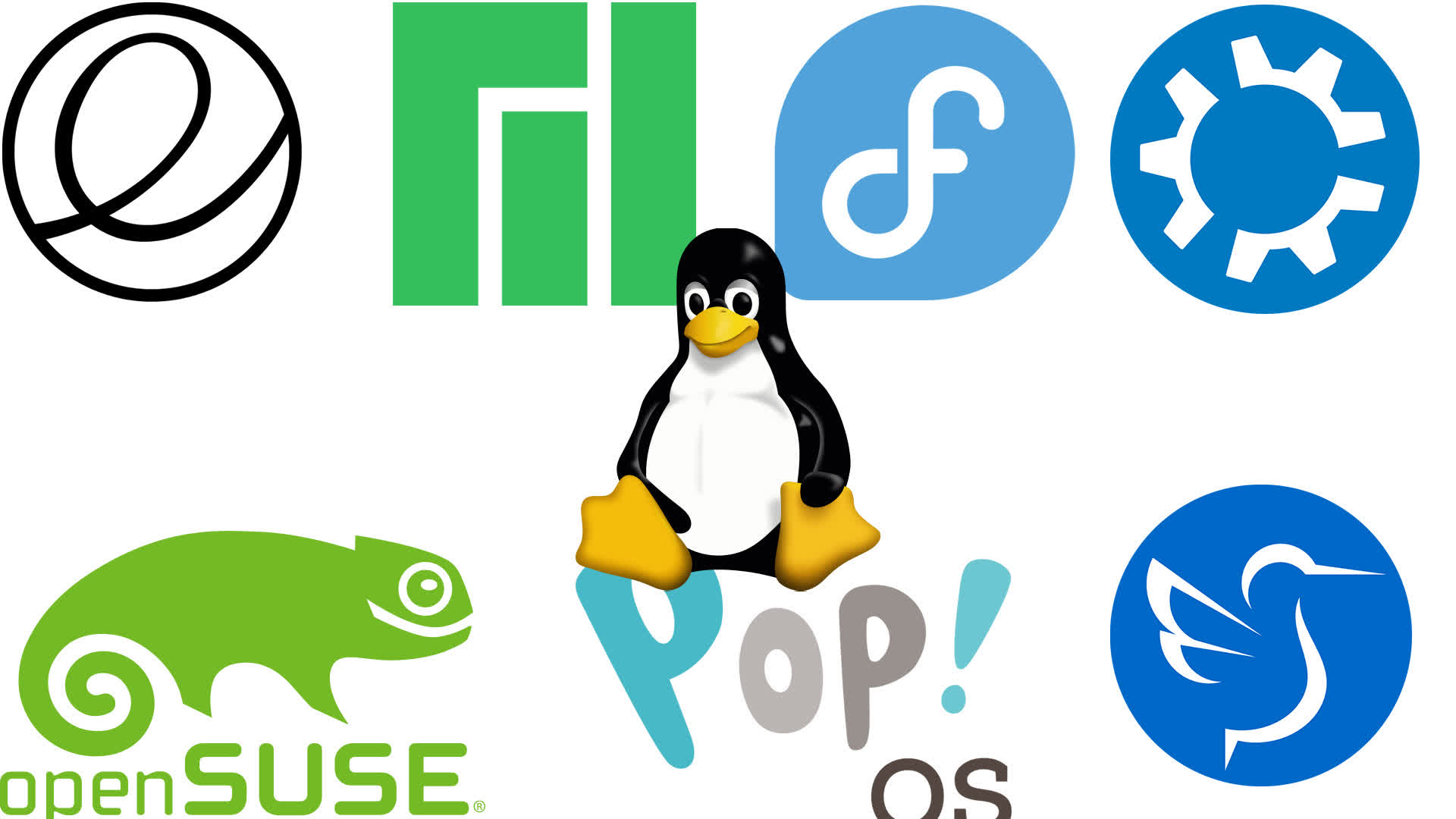
Different Linux flavours (distros)
Linux comes in many different flavours. Users are free to choose a distro based on their set of needs. We have different distros for programmers, different distros for Hackers™
-
Reliability
Linux systems do not get sluggish after days of usage. They retain how smooth they were the day they were installed, and would not require you to reinstall your OS or consider getting a hardware upgrade to make it better. There’s a reason Linux is used for servers worldwide. -
Respects user privacy
No sneaky telemetry going on in the background tracking you and collecting your data. Linux won’t require you to install any applications to protect your data, or to turn off any kind of privacy settings to opt-out.
All in all, Linux is inarguably a superior alternative to commercial operating systems. It’s open sourced, highly secure and reliable while giving you the option to tailor it to your needs without compromising on the number of applications it can run and the features it provides.
To end with a subtle taunt -
- Linux also does not force you to install updates
cough